LEARN · PROMPTS
Exterior Rendering Prompts: 6 AI Prompts for Architecture
Published 5 min read
A good exterior rendering prompt reads like a brief to an architectural photographer: what the building is, what it is made of, where it stands, and how it is lit. Below are six ready-to-use AI prompts for exterior renders, each with a note on why it works, so you can adapt them to your own projects.
The Formula Behind Every Prompt
- Building type and form — townhouse, office tower, cabin; flat or pitched roof.
- Materials — brick, timber cladding, concrete, glass.
- Setting — city street, forest, coast, desert; vegetation.
- Light and weather — golden hour, overcast, blue hour, snow, rain.
- Camera — eye level, low angle, wide angle, aerial.
Choose the architectural style and aspect ratio in QUVIAI's panels instead of writing them into the prompt.
6 Exterior Rendering Prompts
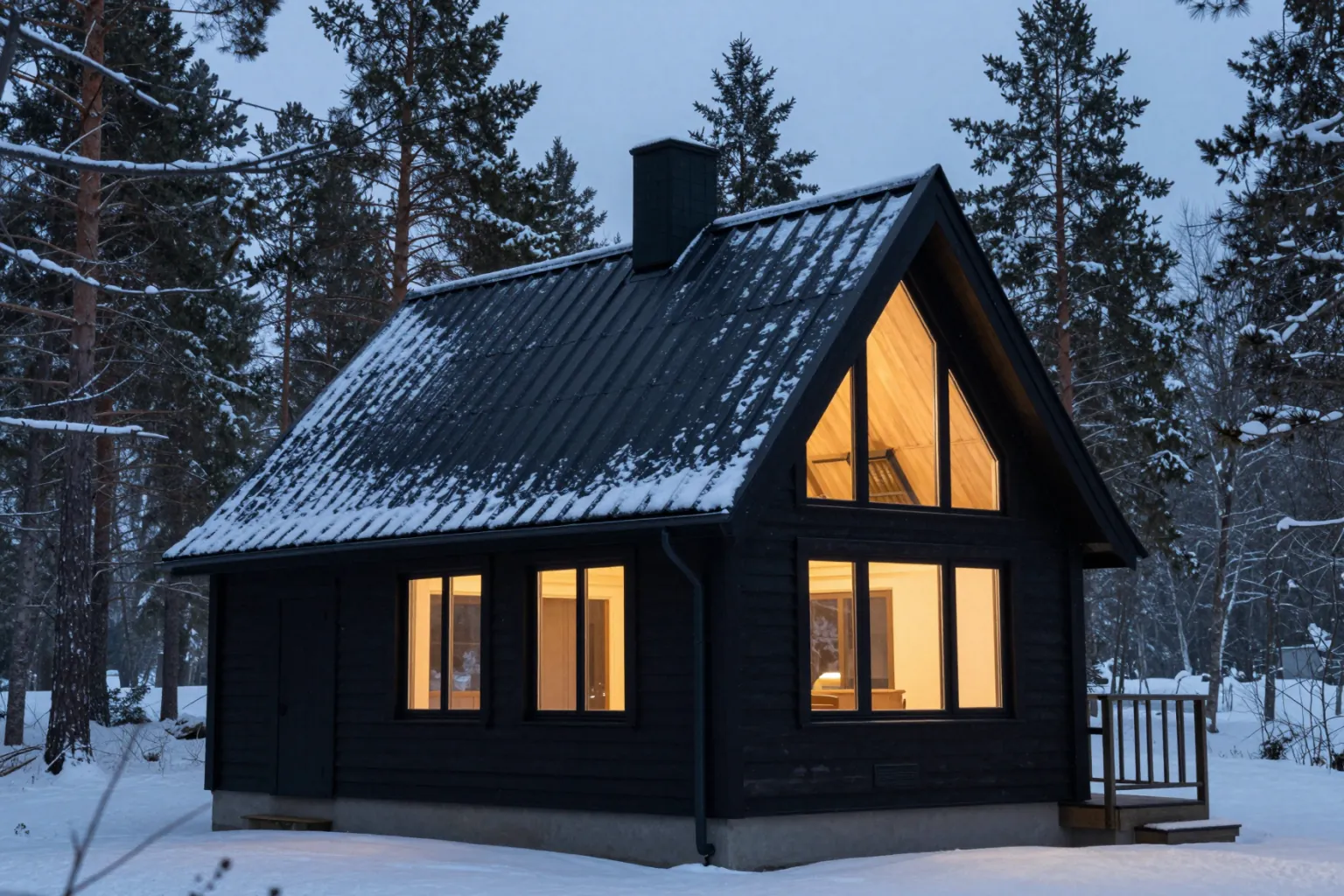
1. Scandinavian timber house in snow
"A Scandinavian timber house with a steep black roof and large picture windows in a snowy pine forest, warm light glowing from inside, blue hour, soft falling snow, architectural photography"
Why it works: Contrasting warm interior light against a cold blue-hour exterior gives the image depth and mood.
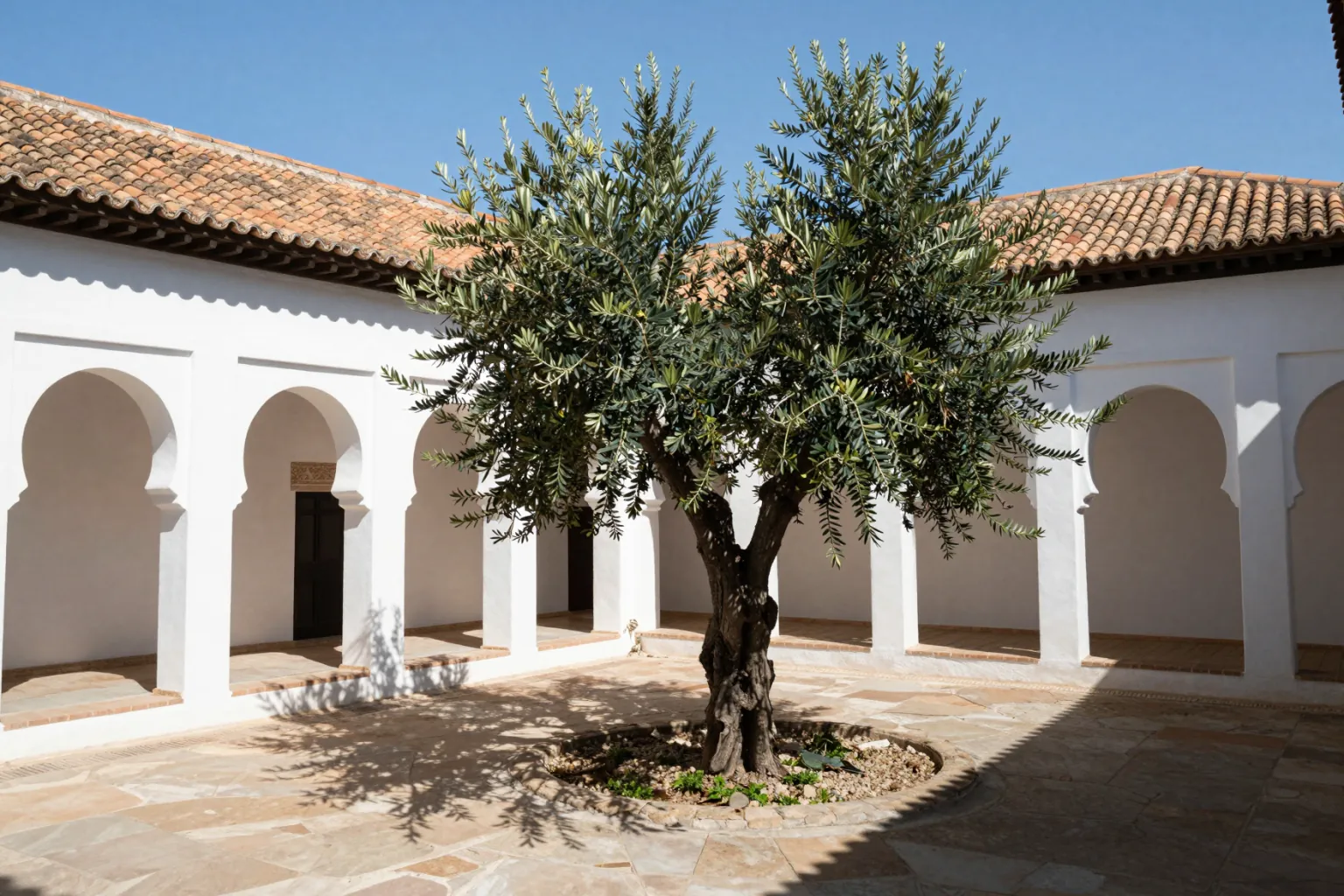
2. Mediterranean courtyard house
"A Mediterranean courtyard house with whitewashed walls, terracotta roof tiles, arched openings and an olive tree in the central courtyard, strong midday sun with crisp shadows, eye-level view"
Why it works: Naming the light quality (strong sun, crisp shadows) makes the white walls read as a real place.
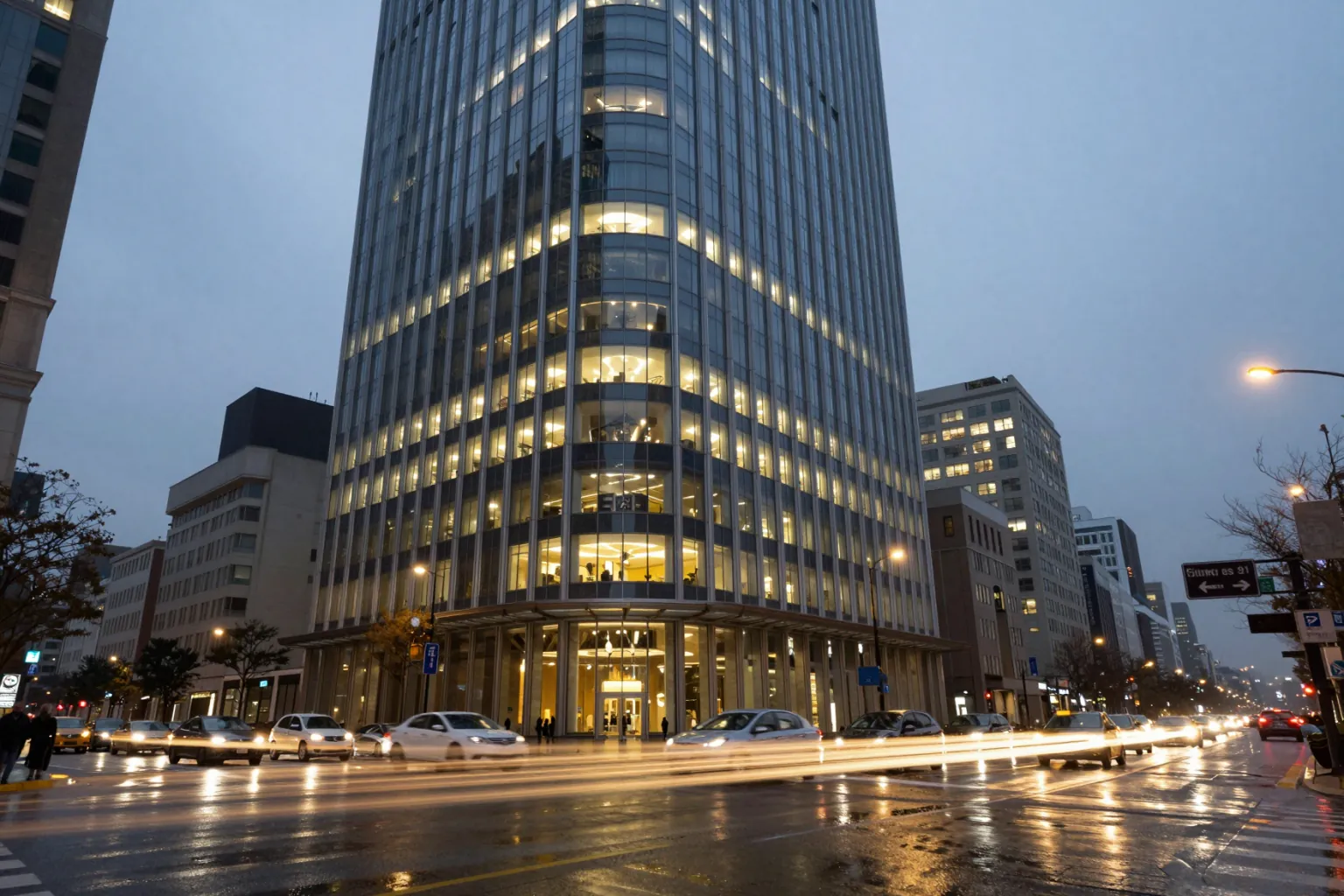
3. Glass office tower at dusk
"A slender glass office tower with vertical fins on a busy city street at dusk, office lights on, light trails from passing cars, wet pavement reflections, low camera angle"
Why it works: A low camera and wet reflections add scale and drama to a tall building.
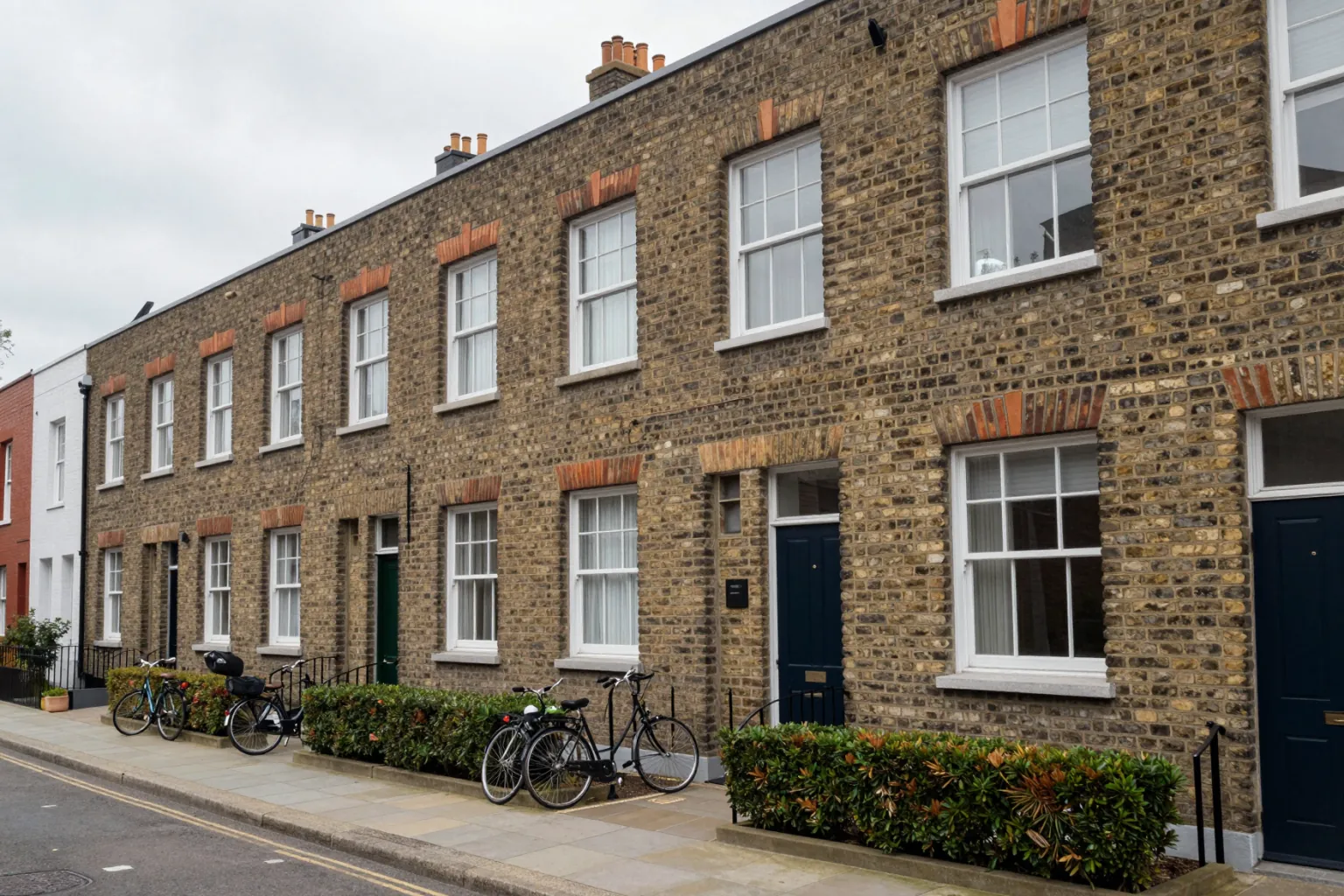
4. Brick townhouse row
"A row of contemporary brick townhouses with deep window reveals, front gardens with low hedges and bicycles, overcast soft daylight, street-level view"
Why it works: Overcast light is honest and flattering for brick; small details like bicycles add life.
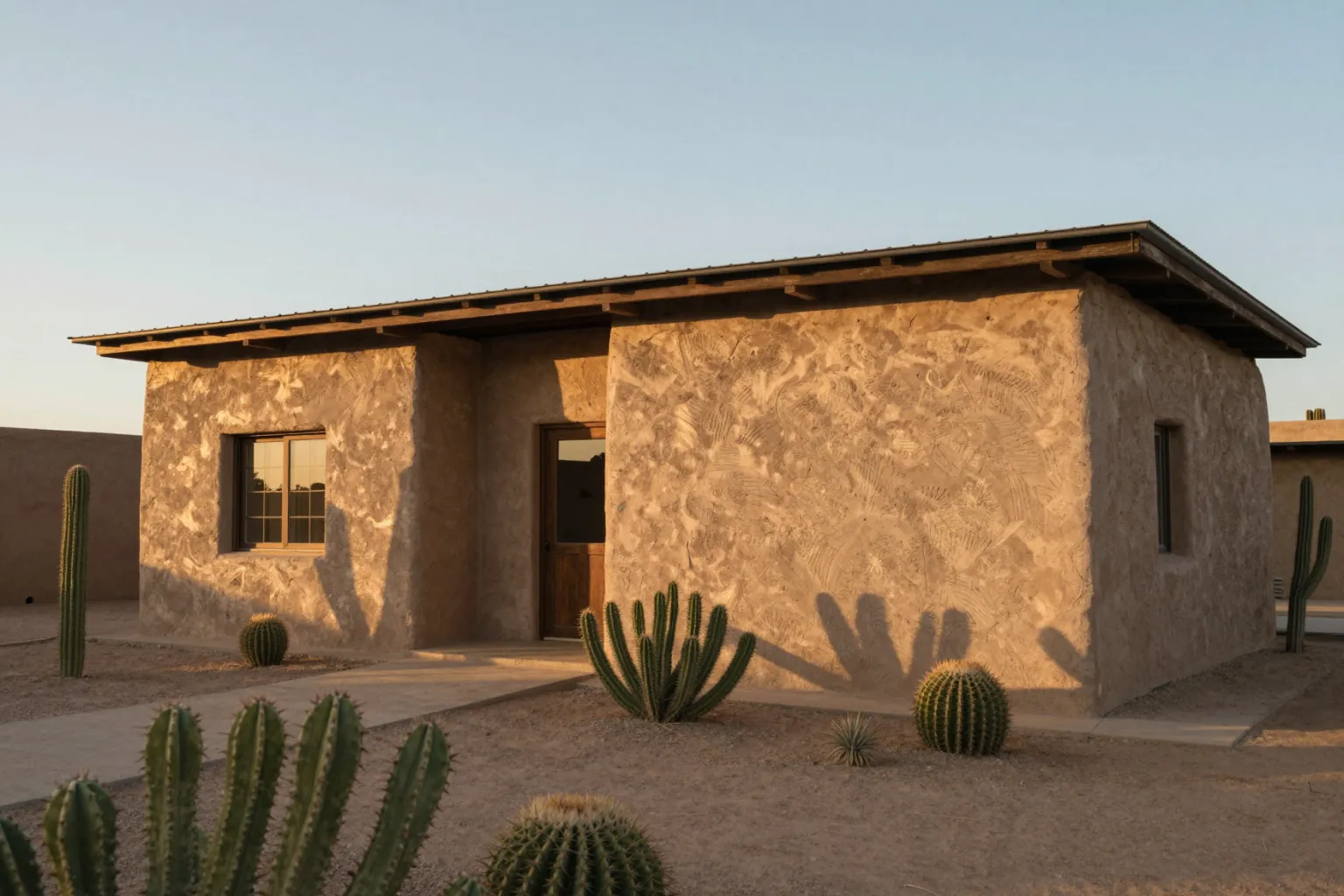
5. Rammed earth desert house
"A single-story desert house with rammed earth walls, a flat steel roof overhang and native cacti, warm sunset light raking across the textured walls, wide-angle view"
Why it works: Raking sunset light shows off the texture of the rammed earth, which is the hero material.
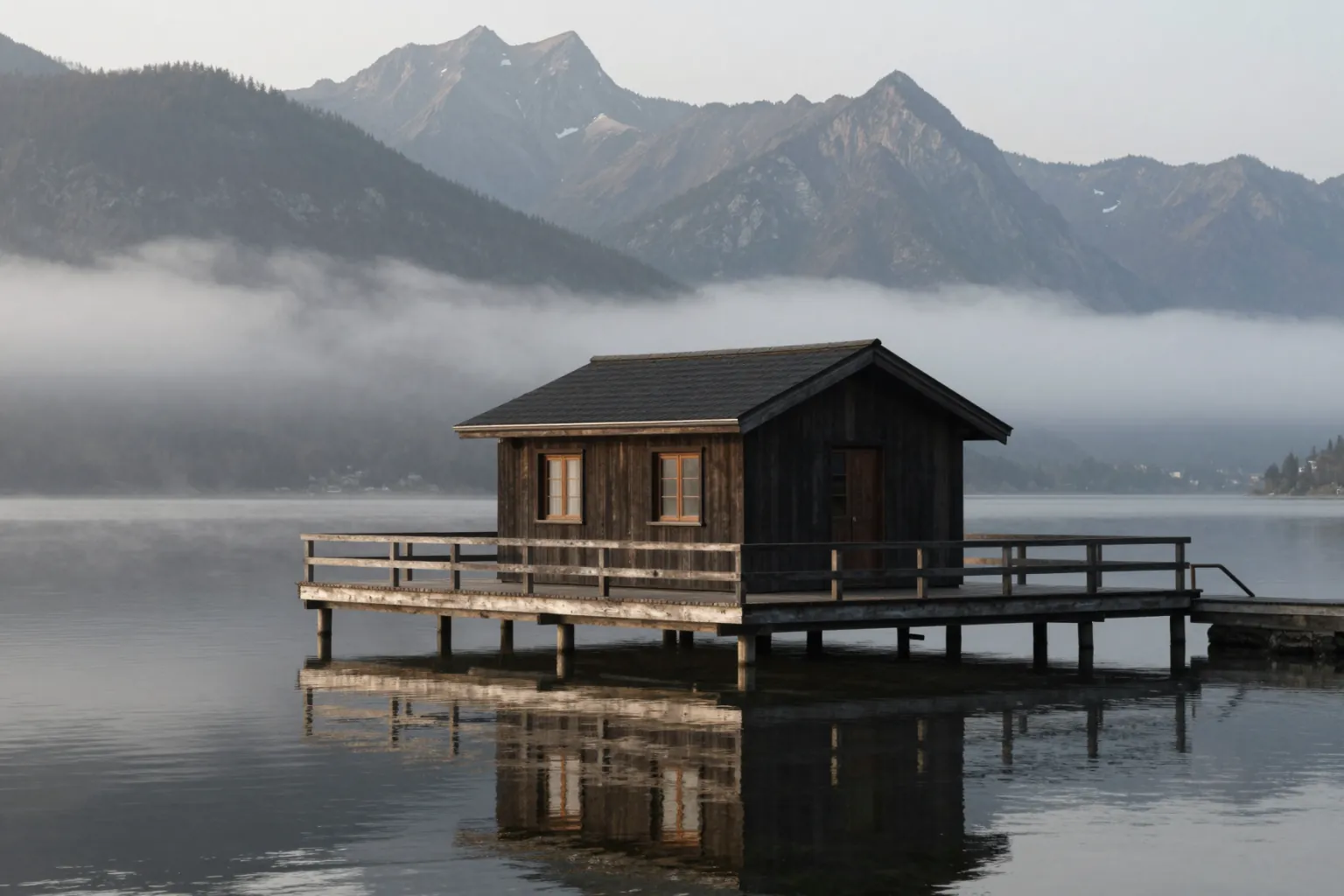
6. Lakeside cabin
"A small lakeside cabin with dark timber cladding, a large wooden deck over the water and mountains behind, early morning mist on the lake, calm reflections"
Why it works: Mist and reflections create a calm, premium atmosphere for hospitality projects.
Tips for Better Exterior Renders
- Always name the light. Time of day changes the mood more than any material.
- Add scale. People, bicycles or cars help viewers read the size of the building.
- Describe the ground and sky. Paving, lawn, wet pavement and cloud cover make exteriors believable.
- Start from your own design. Use a sketch or model view as the input and use these prompts for materials and light.
Frequently Asked Questions
What is a good AI prompt for an exterior render?
Describe the building type, materials, setting, light and camera in one or two sentences — for example "a brick townhouse row with front gardens, overcast soft daylight, street-level view".
How do I keep my own design in an AI exterior render?
Upload your sketch or model view as the input image and use the prompt only for materials, light and context. The AI keeps the massing and camera of your input.
Can I make a night version of an exterior render?
Yes. Use maskless editing with an instruction such as "change to blue hour with warm interior lights; keep the building and camera unchanged". See day to night render with AI.